
Dentistry
Professional Small Animal Dentistry & Advanced Oral Prophylaxis
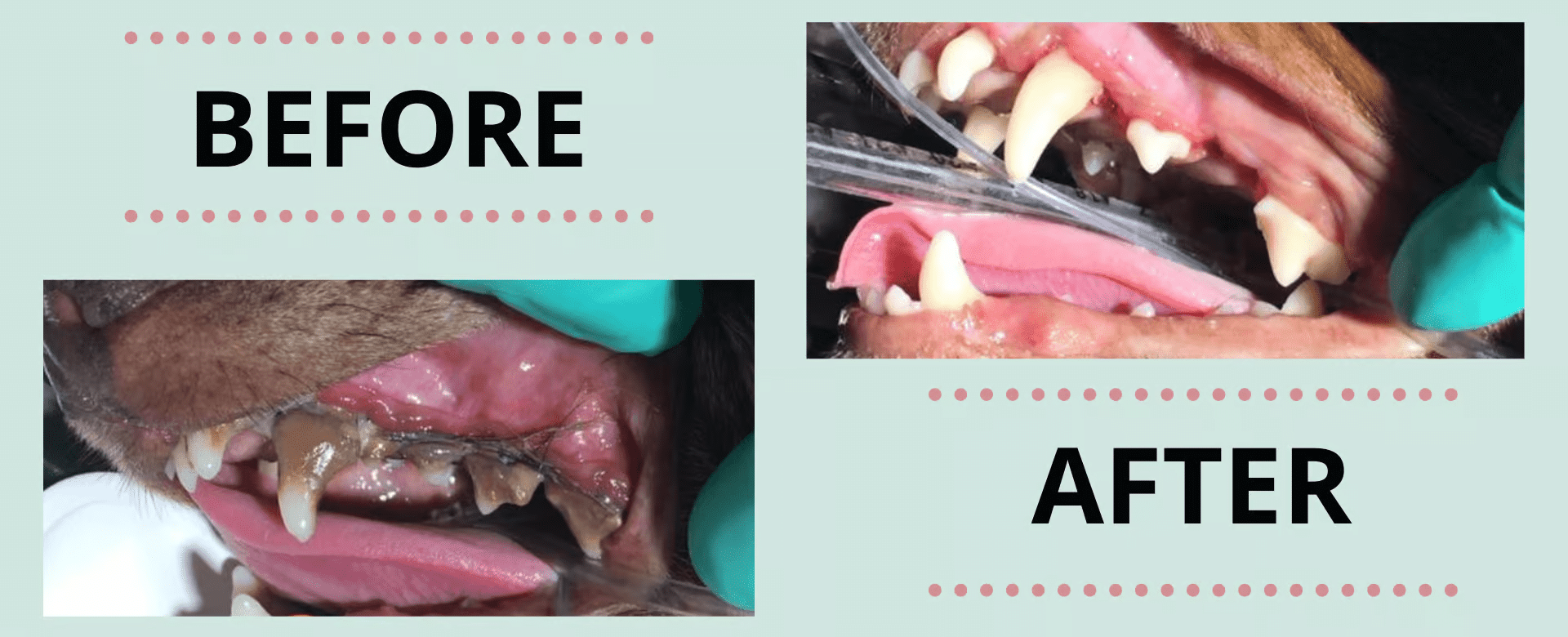
Service Overview: Advanced veterinary dentistry and comprehensive oral surgery protocols engineered for companion animals to systematically reverse periodontal decline and eliminate deep-tissue oral infections. Performed under secure general anesthesia and endotracheal tracking, veterinary professional cleanings encompass full-mouth digital dental radiographs (X-rays) to view underlying bone health, ultrasonic mechanical scaling above and below the gumline, high-speed tooth polishing, and a meticulous six-point subgingival gumline probe tracking hidden tissue pockets. Early diagnostic evaluations safely isolate deep root abscesses, tooth fractures, or structural erosion anomalies, ensuring necessary therapeutic extractions are cleanly executed to restore oral comfort and stop bacterial migration into major internal organ fields.
Keeping your pet’s teeth clean is important to their life-long health and happiness. It needs to start at home with routine brushing using fluoride-free toothpaste formulated for pets. Don’t worry, this is not as impossible as it sounds! Dental treats are also a good way to help prevent tartar buildup in addition to brushing.
Just as with humans, a regular professional cleaning is important to maintaining your pet’s dental health. Just as your dentist recommends you get your teeth cleaned twice a year, the rule applies to your pet as well. Performing a dental cleaning on your pet involves taking full-mouth dental radiographs, scaling and polishing their teeth, a six point gum line probe to check for pockets or infection, and examination of each and every tooth, as well as any extractions that may need to be performed. In order to do this, your pet must be anesthetized to allow our team members access to these difficult to examine areas.
Frequently Asked Questions
Unlike human dental patients, dogs and cats cannot sit perfectly still or follow requests to hold their mouth open while sharp ultrasonic scalers and deep subgingival probes are used. General anesthesia ensures the pet experiences absolutely zero pain, fear, or situational anxiety. Crucially, a secured breathing tube (intubation) protects the pet's airway and lungs, preventing them from accidentally inhaling aerosolized oral bacteria, water mist, and calcified tartar chunks removed during the scaling process.